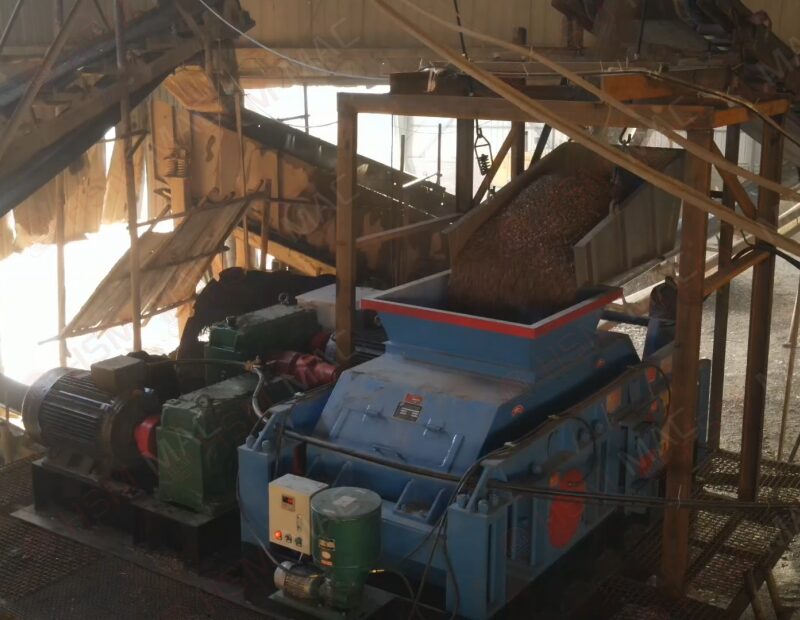
Crushers are essential processing equipment widely used in mining, building materials, metallurgy, chemical, and other industries. Their core function is to reduce large chunks of ore, rock, coal gangue, and other materials to the required particle size through mechanical force. Different types of crushers operate on different principles and are suited to different materials and operating conditions.
Working Principles of Major Crushers
Jaw Crusher – Uses compression crushing. The motor drives the belt pulley, which moves the movable jaw up and down through an eccentric shaft. When the movable jaw rises, it approaches the fixed jaw, and the material is crushed by compression, splitting, and bending forces. When the movable jaw descends, the crushed material is discharged from the bottom of the crushing chamber. The jaw crusher has a simple structure, reliable operation, and is suitable for primary crushing of various ores and rocks.
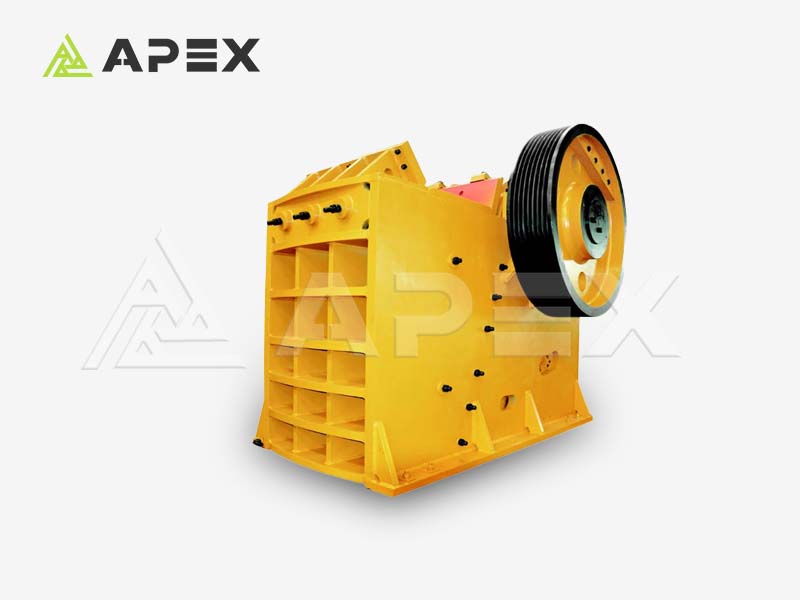
Jaw Crusher
Roll Crusher – Uses compression crushing. Two motors drive two pairs of rolls rotating in opposite directions. Material falls into the gap between the rolls and is crushed under high compressive force, then discharged naturally. The discharge size can be precisely controlled by adjusting the roll gap. When encountering unbreakable material, the hydraulic system automatically retracts to increase the roll gap, allowing the object to pass through, then returns to normal, protecting the equipment from damage.
Box Crusher (Impact Crusher) – Uses impact crushing. Material enters the crushing chamber and is struck by high-speed rotating hammers on the rotor, shattered, and thrown against the impact plates or chamber walls, where it undergoes further impact, grinding, and shearing. Material is discharged once it reaches the required size. It combines primary and secondary crushing functions with a high reduction ratio.
Double-Stage Crusher – Uses two-stage series impact crushing. Material enters the first crushing chamber and is crushed by high-speed hammers, then directly enters the second chamber for further crushing—two stages in one machine. The screenless design handles both dry and wet materials without clogging.
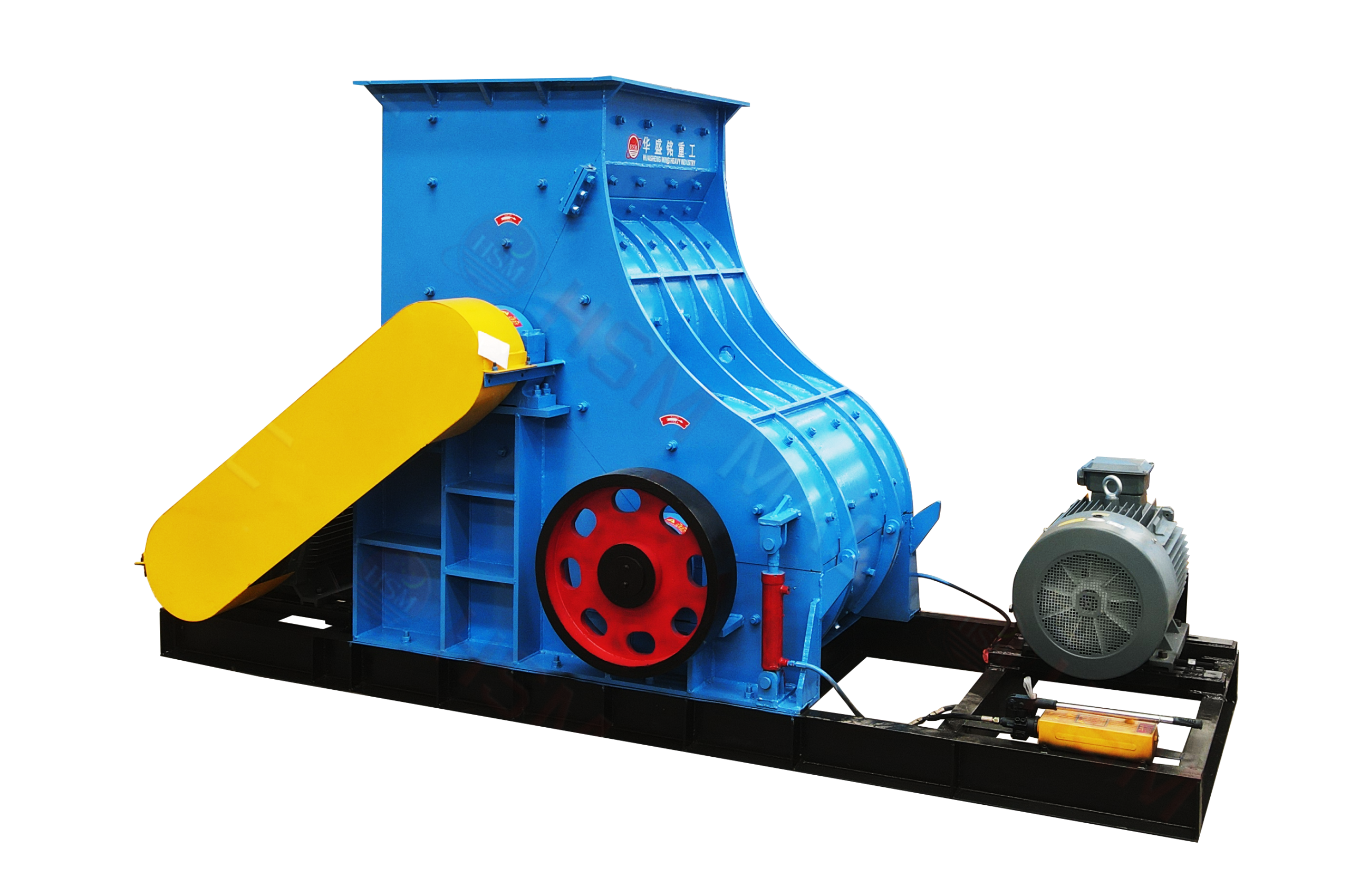
Two-stage crusher
Toothed Roll Crusher – Uses shearing and compression crushing. Two pairs of high-strength wear-resistant toothed rolls rotate in opposite directions. Material is crushed to the required size through compression, shearing, and grinding actions in the roll gap. It has strong adaptability to sticky and wet materials and is resistant to clogging.
How to Choose the Right Crusher Based on Working Principles
For uniform product size and low over-grinding – Choose compression-type crushers such as roll crushers
For high reduction ratio in one pass – Choose impact-type crushers such as box crushers
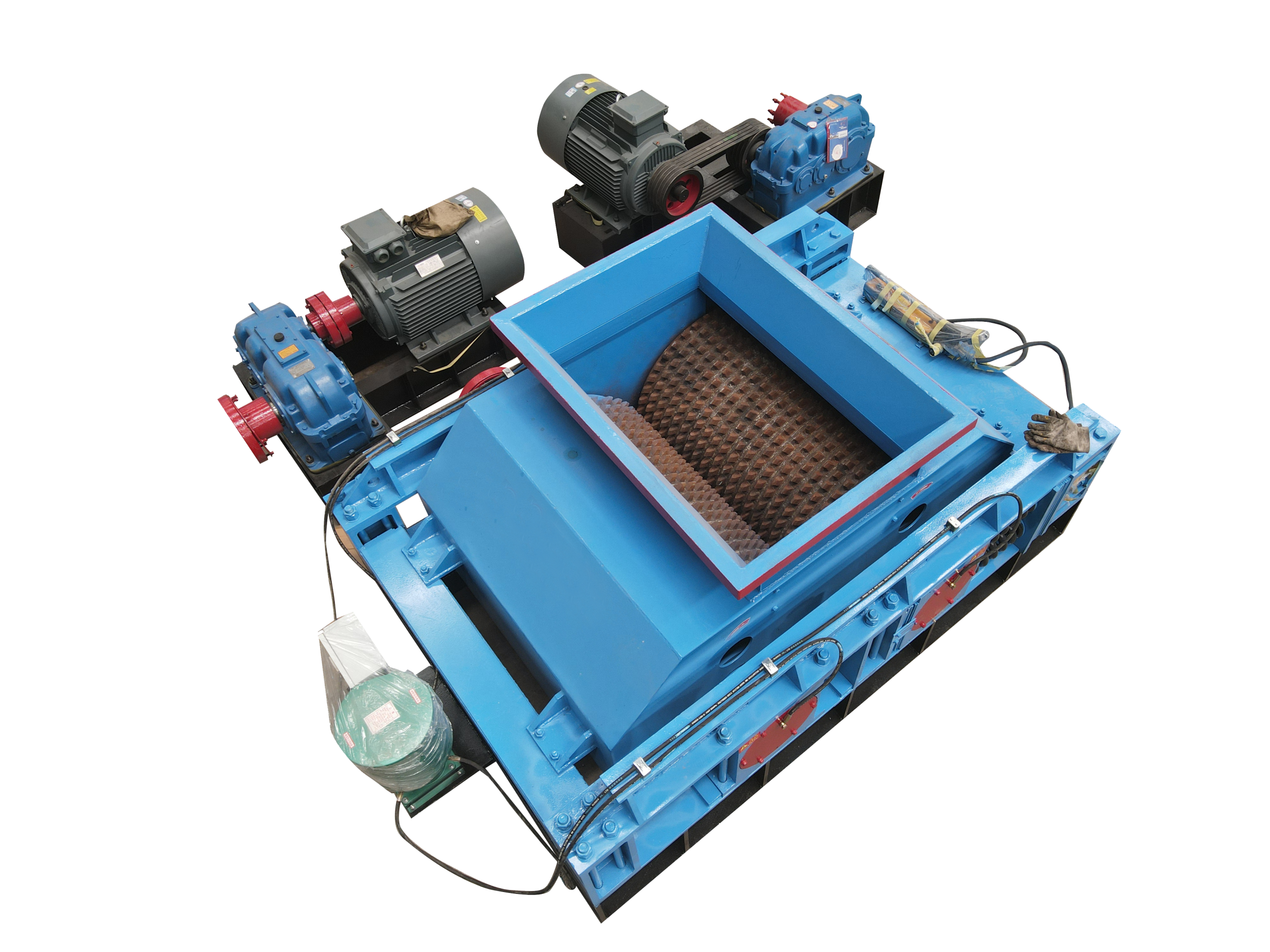
For high-moisture materials prone to clogging – Choose screenless double-stage crushers or toothed roll crushers
For fine crushing with precise particle size control – Roll crushers allow accurate discharge size adjustment through roll gap control
If you are unsure which type of crusher is right for your application, contact Hua Sheng Ming. We can recommend suitable models and solutions based on your material characteristics and production requirements.
Next:None